How to Make Gottman Method Couples Therapy Work for Your Relationship
Couples therapy only works if both people actually engage with it. The Gottman Method is one of the most research-backed approaches to couples therapy available, built on decades of observational research into what distinguishes couples who stay connected from those who don't. But a solid theoretical foundation doesn't automatically translate into results. What you bring to the process, and what you're willing to do between sessions, matters as much as the model itself.
Understanding the Gottman Method
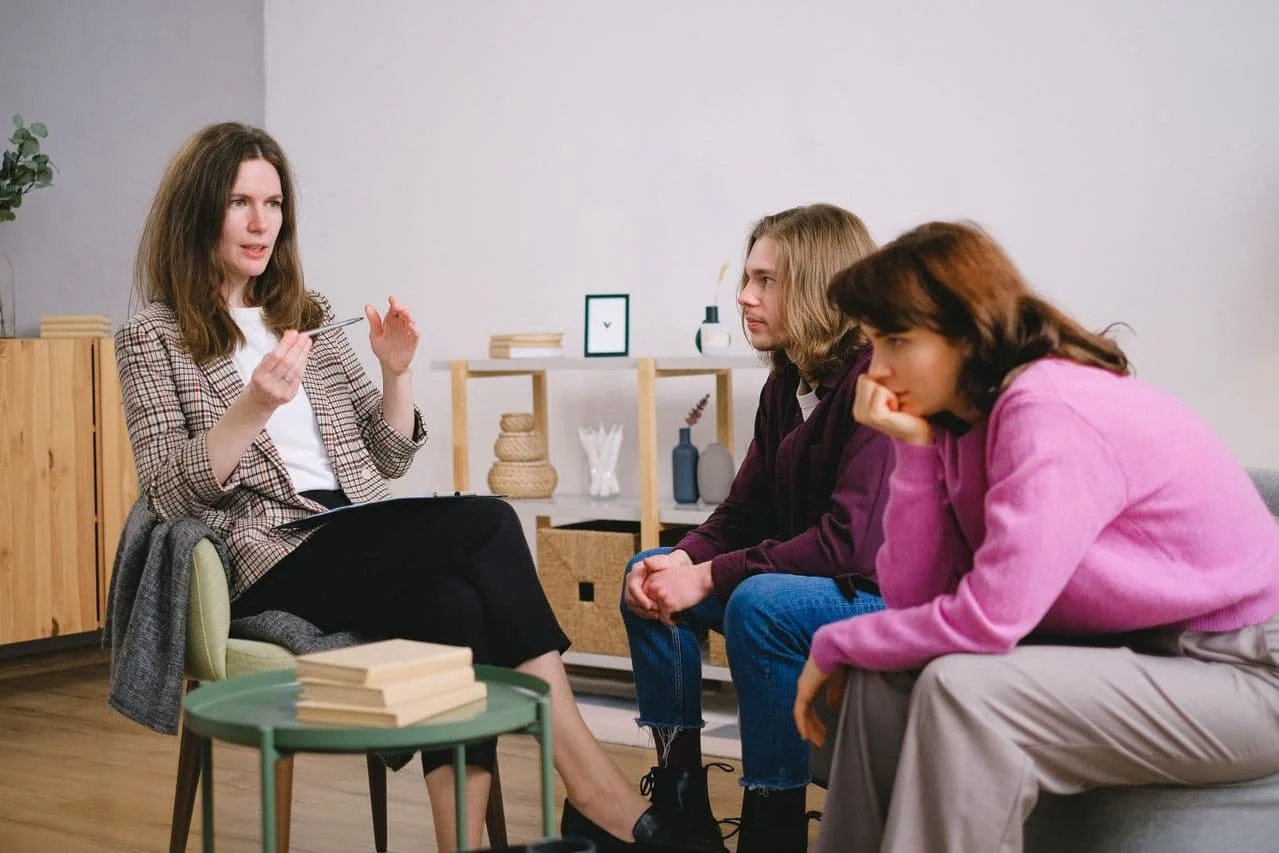
The Gottman Method isn't primarily about conflict resolution techniques. It's built around a broader understanding of what makes relationships work. The research identified several predictors of relationship breakdown, including contempt, criticism, defensiveness, and stonewalling. The approach works to replace those patterns with ones that build what Gottman calls the Sound Relationship House, a structure that includes deep friendship, shared meaning, trust, and the ability to manage conflict without it becoming corrosive.
Understanding that the goal isn't just to fight less but to build something solid underneath the conflict helps orient you toward the work more accurately.
Both People Have to Be Willing to Look at Themselves
This is where a lot of couples therapy stalls. It's genuinely hard to walk into couples therapy without a list of things your partner needs to change. The Gottman research is clear that the couples who do best are the ones where both people examine their own contributions to the patterns, not just the other person's. That doesn't mean taking equal blame for everything. It means staying curious about your own role rather than positioning yourself primarily as the wronged party waiting for the other person to change.
Take the Assessment Seriously
Most Gottman Method therapists begin with a comprehensive assessment that includes interviews and questionnaires designed to map the relationship's strengths and problem areas. It can feel like a lot of process before anything actually happens, but it's worth engaging with honestly. The assessment shapes the entire direction of treatment and gives your therapist a more accurate picture of what's going on than the first few sessions of conversation typically would. Answering honestly, even when it's uncomfortable, gives the process something real to work with.
Do Work Between Sessions
The Gottman Method involves specific practices designed to be implemented in daily life, not just in the therapy room. Building regular rituals of connection, responding to each other's bids for attention, expressing appreciation deliberately using structured approaches to difficult conversations.
These things sound simple and are genuinely harder to implement consistently than they sound, especially when the relationship is under strain. The therapy session is where you learn the tools. The space between sessions is where you practice them. Without that practice, the insights tend to stay insights rather than becoming new patterns.
Learn to Recognize the Four Horsemen
The Four Horsemen, contempt, criticism, defensiveness, and stonewalling, are highly predictive of relationship deterioration. Part of what makes Gottman therapy work is developing the ability to notice when you're using one of them in real time. That real-time recognition is what creates the opening to do something different, and that's where lasting change lives.
Repair Is the Goal
The research consistently shows that it's not the presence of conflict but the ability to repair afterward that distinguishes stable couples from those who deteriorate. Repair attempts are anything that tries to de-escalate or reconnect during or after conflict. Letting go of the idea that successful couples don't fight allows you to focus on what actually matters, and whether you can come back together after a hard moment.
Give It Enough Time
Progress often feels uneven, with sessions that feel like breakthroughs followed by a hard week that makes it feel like nothing has changed. That's normal. The trajectory over months matters more than any single session, and most couples who stick with the process long enough find it genuinely changes what their relationship feels like.
If you and your partner are ready to do the real work of building a stronger relationship, working with a therapist trained in the Gottman Method can give you the research-backed tools and guidance to actually get there.