How to Handle the Holidays When You Don’t Get Along With Your Partner’s Family
The holidays are supposed to be a time of joy, warmth, and connection, but for many couples, they can also bring tension, stress, and awkward encounters. If you don’t get along with your partner’s family, holiday gatherings can feel like walking a tightrope. You want to be polite, enjoy the celebration, and support your partner, but you also want to protect your peace of mind. Handling these situations thoughtfully can make a big difference in protecting your mental health, your relationship, and your overall holiday experience.
Manage Expectations
The first step is acknowledging reality. Expecting perfection or instant bonding can lead to disappointment. Accept that differences in personality, values, or traditions are normal; you may not win everyone over, and some moments will be awkward. And all of this is entirely okay. Setting realistic expectations can help you approach gatherings with curiosity instead of anxiety. You may not be able to control other people’s behavior, but you can control your own reactions and set clear boundaries.
Communicate With Your Partner
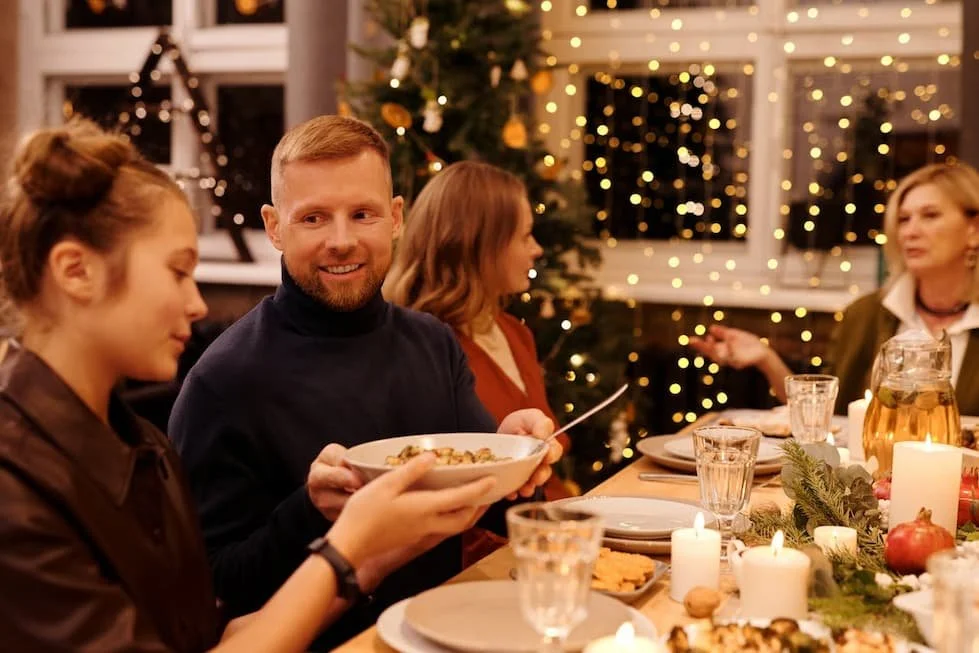
Your partner is your first line of support during challenging family interactions. Have an honest conversation before any holiday event. Share your feelings about past interactions, discuss boundaries you need to maintain your emotional safety, and agree on strategies for conflict or uncomfortable moments. Your partner isn’t there to fight your battles for you, but mutual understanding helps you present a united front and feel supported throughout the festivities.
Set Clear Boundaries
Boundaries aren’t mean; they’re necessary for preserving your emotional well-being. Think ahead about what you can tolerate and what you can’t. For example, you can limit the length of visits, avoid specific topics of conversation, step away when emotions start running high, or decide how much physical affection or attention you’re comfortable giving and receiving. Setting boundaries can prevent resentment from building and help maintain a sense of control in unpredictable situations.
Use Self-Soothing Techniques
Holiday stress can trigger anxiety or irritability, especially around people you find difficult. Having a toolbox of calming strategies helps you stay grounded:
Deep breathing
Grounding exercises
Taking short walks or stepping outside for fresh air
Journaling or quietly reflecting on your feelings
Visualizing a peaceful space
Recalling a positive memory
Even brief moments of self-care during the day can reduce tension and help you respond instead of react.
Focus on Gratitude and Positive Interactions
It may sound cliché, but finding small things to appreciate can help shift your perspective. You don’t need to like every family member, but noticing positive moments can improve your experience:
Genuinely compliment someone on their efforts
Engage in shared activities that are light and neutral
Focus on your partner or other supportive family members
Keep a mental or written list of things that bring you joy
Shifting your focus to gratitude can reduce stress and help you stay emotionally balanced.
Know When to Step Back
Sometimes, despite your best efforts, a family environment is too toxic or triggering. It’s okay to step back or limit contact. Protecting your mental health is not selfish; it’s necessary. You can decline any invitations with honesty and kindness, suggest smaller, more manageable gatherings, prioritize time with your partner in private, or seek professional guidance if the dynamics are causing you severe stress. Recognizing your limits is a form of self-respect and self-preservation.
Next Steps
Holiday stress and family conflict can take a serious toll on your mental health. If you feel overwhelmed, anxious, or depressed around your partner’s family, or if conflict continues to happen, it may help to speak with a mental health professional. Anxiety counseling can provide strategies for communication, boundary-setting, and emotional regulation, which can help you feel safer and more supported. You deserve to enjoy the holidays without experiencing constant anxiety or tension. Reaching out for support is a proactive step toward peace, confidence, and healthier relationships.